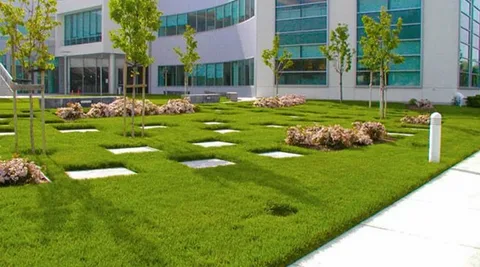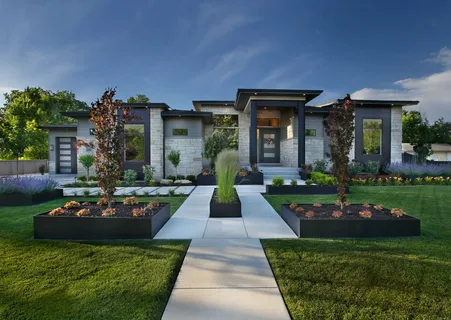
Residential landscaping is the practice of designing, installing, and maintaining outdoor spaces around homes to enhance beauty, functionality, and value. Unlike commercial landscaping, which serves business needs, residential projects focus on personal enjoyment, family activities, and creating a sanctuary from the outside world. This article delves into the fundamentals of residential landscaping, its benefits, design principles, and practical tips for homeowners and landscapers.
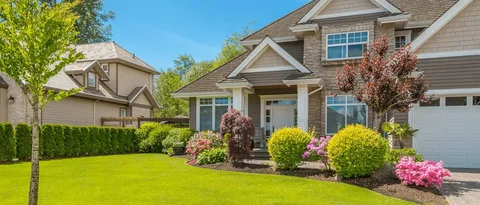
What is Residential Landscaping?
Residential landscaping encompasses a wide range of elements, including lawns, gardens, trees, shrubs, pathways, decks, patios, water features, and lighting. It can be as simple as planting a few flowers or as elaborate as creating a full backyard oasis with pools and outdoor kitchens. The primary goal is to harmonize the natural environment with the home’s architecture, making the property more livable and appealing.
For example, a suburban home might feature a manicured lawn with flower beds for curb appeal, while a rural property could include vegetable gardens and fruit trees for self-sufficiency. Residential landscaping often reflects the homeowners’ lifestyle, whether it’s a play area for children, a relaxation zone for adults, or a space for entertaining guests.
Benefits of Residential Landscaping
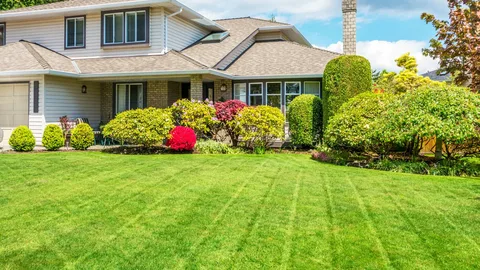
Investing in residential landscaping offers numerous rewards. Financially, it can increase a home’s value by 5-15%, according to the National Association of Realtors. Well-landscaped properties sell faster and at higher prices, as buyers are drawn to attractive exteriors.
Aesthetically, it boosts curb appeal, making neighborhoods more desirable. Environmentally, landscaping supports biodiversity by providing habitats for birds, bees, and beneficial insects. It also improves air quality through plants that absorb carbon dioxide and release oxygen.
On a personal level, residential landscapes promote well-being. Studies from the University of Exeter show that gardening reduces stress and improves mental health. Outdoor spaces encourage physical activity, family bonding, and relaxation. In hot climates, shade trees and water features lower energy bills by reducing the need for air conditioning.
Key Design Principles
Successful residential landscaping balances form and function. Start with a site analysis, considering soil type, sunlight, drainage, and climate. Choose plants that thrive locally to minimize maintenance.
Principles include:
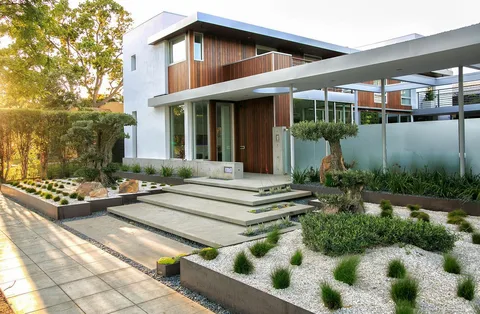
- Unity and Harmony: Ensure elements complement the home’s style—e.g., formal gardens for colonial houses or wild, naturalistic designs for modern ones.
- Proportion and Scale: Match plant sizes to the property; large trees suit spacious yards, while compact shrubs work for smaller lots.
- Color and Texture: Use a palette of colors for visual interest, and vary textures (e.g., smooth leaves vs. rough bark) for depth.
- Functionality: Incorporate usable spaces like patios for dining or pathways for accessibility. Consider low-maintenance options, such as drought-tolerant plants, to save time and water.
Sustainability is key. Opt for native plants that require less water and attract local wildlife. Rain gardens manage stormwater, preventing erosion and flooding.
Types of Residential Landscaping
Residential projects vary based on homeowner preferences and property types:
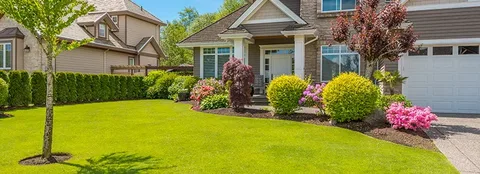
- Front Yard Focus: Emphasizes curb appeal with symmetrical plantings, walkways, and decorative elements like statues or fountains.
- Backyard Retreats: Centers on relaxation with decks, fire pits, hammocks, and privacy screens like hedges or fences.
- Themed Gardens: Include butterfly gardens for pollinators, herb gardens for cooking, or zen gardens for meditation.
- Eco-Friendly Designs: Feature xeriscaping in dry areas or green roofs for urban homes to combat heat islands.
- Family-Oriented Spaces: Incorporate play areas, vegetable patches, or pet-friendly zones.
Planning and Implementation
Begin with a budget—costs range from $2-20 per square foot, depending on scope. Sketch a plan or use apps like Garden Tags for visualization. Hire professionals for complex projects, but DIY enthusiasts can start small.
Steps include:
- Assessment: Evaluate the site for sun, shade, soil, and utilities.
- Design: Create a blueprint, considering focal points like a tree or water feature.
- Installation: Start with hardscaping (e.g., paths, decks), then add plants. Use mulch to retain moisture and suppress weeds.
- Seasonal Planting: Plant perennials for year-round interest and annuals for bursts of color.
Maintenance Strategies
Maintenance keeps landscapes thriving. Regular tasks include mowing lawns, pruning shrubs, fertilizing, and watering. Seasonal care, such as mulching in fall or aerating lawns in spring, prevents issues.
Adopt sustainable practices: Use organic pesticides, compost for soil health, and rainwater harvesting. Smart irrigation systems with timers reduce water waste by up to 50%.
Common challenges include pests, diseases, and weather damage. Solutions involve monitoring for early signs and using integrated pest management (IPM) with natural predators.
Challenges and Solutions
Residential landscaping faces obstacles like limited budgets, time constraints, and environmental factors. Small urban lots require vertical solutions like trellises or container gardens. Climate change brings droughts or floods, addressed by resilient plants and drainage systems.
Overcome hurdles with phased projects—start with high-impact areas like the front yard. Educate yourself through resources like the ASLA website or local extension services.
Case Studies
The Butchart Gardens in Victoria, Canada, began as a family quarry transformed into a floral paradise, inspiring homeowners to repurpose spaces. In the U.S., the Highgrove Estate of Prince Charles showcases organic gardening, emphasizing biodiversity.
On a smaller scale, a homeowner in Austin, Texas, converted a barren backyard into a xeriscaped oasis, saving 70% on water bills while creating a serene retreat.
Future Trends
Trends include edible landscaping with fruit trees and herbs, smart tech like app-controlled sprinklers, and biophilic designs blending indoors and outdoors. As urban density increases, micro-gardening and rooftop gardens gain popularity.
In summary, residential landscaping turns ordinary yards into extraordinary spaces that enrich lives. By focusing on design, sustainability, and maintenance, homeowners can create personalized havens that boost property value, health, and happiness. Whether you’re a novice gardener or a seasoned pro, embracing these principles leads to rewarding results.