Landscaping is more than just planting flowers and mowing the lawn—it’s a year-round commitment that keeps your outdoor space vibrant, healthy, and inviting. Whether you’re a seasoned gardener or a novice homeowner, following a seasonal checklist ensures your yard thrives through changing weather and temperatures. This guide breaks down essential tasks month by month, tailored to temperate climates like those in the Midwest or similar regions. By aligning your efforts with nature’s rhythms, you’ll prevent problems, promote growth, and enjoy a beautiful landscape year-round. Let’s dive into the seasonal landscaping checklist, covering everything from spring renewal to winter preparation.
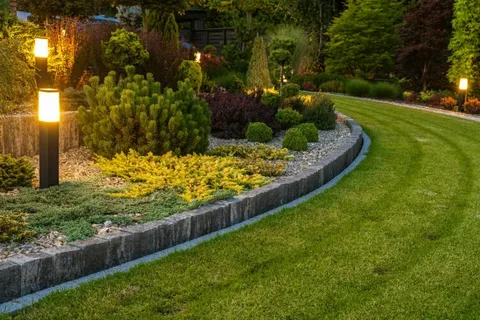
Spring: Awakening and Renewal (March to May)
Spring is the season of rebirth, when dormant plants wake up and your yard transforms. Start early to set the foundation for the year.
March: As winter thaws, focus on cleanup. Remove debris like fallen leaves, twigs, and mulch remnants. Prune dead branches from trees and shrubs, but wait until after the last frost to avoid damaging new growth. Test your soil pH and amend if needed—aim for a balanced mix to support healthy roots. Begin fertilizing cool-season grasses if you haven’t already.
April: With milder weather, it’s time for planting. Sow seeds for cool-weather crops like lettuce or peas in vegetable gardens. Divide and transplant perennials such as hostas or daylilies. Apply pre-emergent herbicides to prevent weed seeds from sprouting. Mulch around trees and shrubs to retain moisture and suppress weeds. Inspect and repair irrigation systems before summer heat.
May: As temperatures rise, shift to growth promotion. Plant warm-season annuals like marigolds or petunias after the last frost. Fertilize lawns and gardens with a balanced fertilizer. Mow lawns regularly, starting at a higher setting to encourage root development. Water deeply but infrequently to establish strong root systems. Watch for pests like aphids and treat organically if possible.
Spring tasks emphasize renewal, ensuring your landscape bounces back strong after winter dormancy.
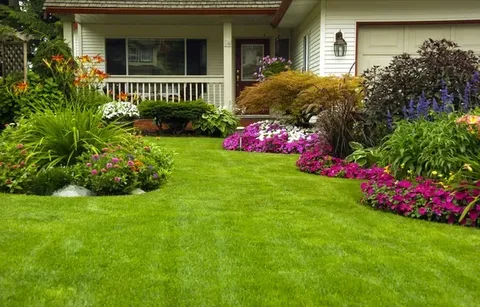
Summer: Maintenance and Bloom (June to August)
Summer brings heat, humidity, and peak growth, so maintenance is key to keeping things lush without overwhelming your schedule.
June: Monitor for drought stress—water deeply in the early morning to minimize evaporation. Deadhead spent flowers on perennials and annuals to encourage reblooming. Apply mulch to garden beds to conserve water and control weeds. Fertilize roses and other flowering shrubs mid-month. Check for and treat common pests like Japanese beetles or powdery mildew.
July: This is peak season for weeding and edging. Keep lawns mowed at 2-3 inches to shade out weeds. Prune summer-blooming shrubs after they flower. Divide overcrowded perennials if needed. Ensure adequate watering, especially for new plantings—aim for 1-2 inches per week. Install or adjust shade structures for sensitive plants.
August: Prepare for fall by reducing fertilization to avoid tender new growth that could be damaged by early frosts. Continue deadheading and weeding. Harvest vegetables and herbs. Aerate lawns if compacted, and overseed thin areas. Inspect trees for signs of disease and prune as necessary.
Summer focuses on sustaining growth through heat, with an eye toward transitioning into cooler months.
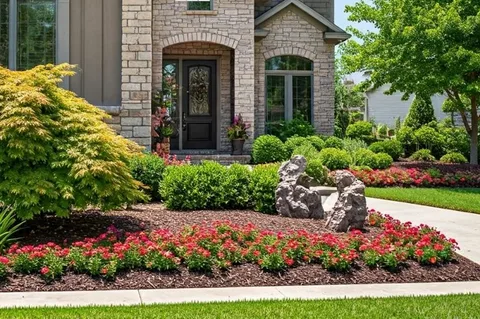
Fall: Preparation and Cleanup (September to November)
Fall is harvest time and prep for winter, a period of winding down while planting for next year.
September: Plant bulbs like tulips and daffodils for spring blooms—aim for 6-8 weeks before the first frost. Fertilize lawns with a fall-specific mix to strengthen roots. Rake leaves as they fall, but leave some for natural mulch. Divide and transplant perennials. Prune trees and shrubs to remove dead or diseased wood.
October: Continue bulb planting and lawn fertilization. Clean up garden beds, removing spent plants and weeds. Apply mulch to protect roots from freezing. Drain and store hoses, and winterize irrigation systems. Plant cool-season grasses or overseed lawns.
November: As temperatures drop, focus on final cleanup. Compost fallen leaves and garden waste. Protect tender plants with frost cloth. Prune roses and other shrubs. Inspect and repair hardscaping like paths or patios. Stock up on winter supplies like de-icer.
Fall tasks build resilience for winter while setting up spring success.
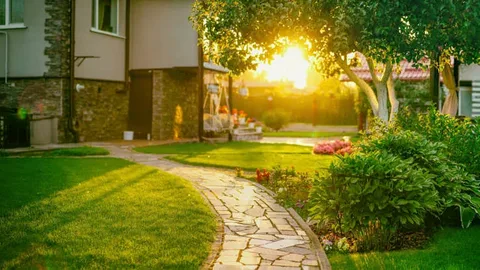
Winter: Rest and Planning (December to February)
Winter is a time for rest, but proactive steps keep your landscape ready for spring thaw.
December: Wrap up outdoor tasks by securing tools and equipment. Apply anti-desiccant sprays to evergreens to prevent winter burn. Plan for next year’s projects—sketch designs or order seeds. Monitor for ice damage on trees and remove hazardous limbs.
January: Use downtime for indoor planning. Research new plants or landscaping trends. Clean and sharpen tools. If weather permits, prune dormant trees and shrubs. Check for vole tunnels and protect vulnerable plants.
February: As spring approaches, start early prep. Test soil and order amendments. Inspect fences, decks, and structures for winter damage. Begin pruning fruit trees if not done in late winter. Dream big—consider adding features like a water feature or pergola.
Winter emphasizes protection and foresight, ensuring a smooth start to the new year.
General Tips for Year-Round Success
Regardless of the season, consistency is key. Always water deeply rather than frequently to encourage deep roots. Use organic methods where possible to promote healthy soil ecosystems. Keep a journal of tasks and observations to track what works in your yard. Consult local extension services for region-specific advice, as climates vary. Invest in quality tools and mulch to make maintenance easier.
Safety first: Wear protective gear when pruning or using chemicals, and avoid overworking in extreme weather. If you’re hiring help, choose certified professionals for complex tasks like tree removal.
By following this seasonal landscaping checklist, you’ll create a thriving outdoor space that enhances your home’s curb appeal and provides year-round enjoyment. Remember, landscaping is an ongoing process—adapt as needed, and enjoy the fruits of your labor.