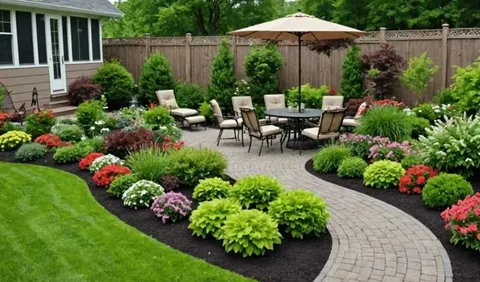
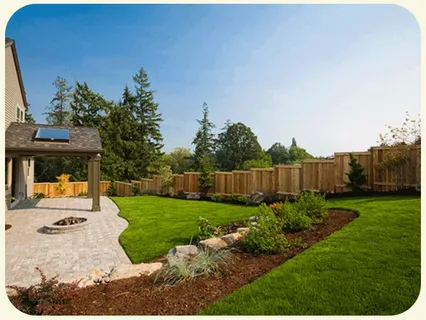
Irrigation and sprinkler services form the backbone of effective landscaping, ensuring that plants, lawns, and gardens thrive regardless of climate or water availability. In both residential and commercial settings, these systems deliver water efficiently, promoting healthy growth while conserving resources. This article delves into the world of irrigation and sprinkler services, covering their components, benefits, installation processes, maintenance tips, and emerging trends. Whether you’re a homeowner, landscaper, or business owner, understanding these services can help you maintain vibrant outdoor spaces year-round.
What Are Irrigation and Sprinkler Services?
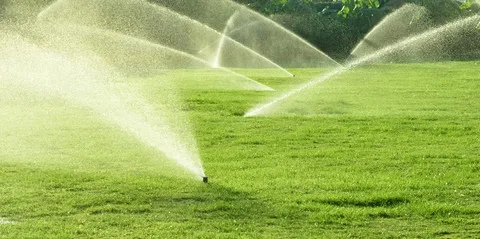
Irrigation refers to the artificial application of water to soil or plants to assist in agricultural or landscaping needs. Sprinkler services specifically involve systems that distribute water through sprinklers, mimicking natural rainfall. These services encompass design, installation, repair, and maintenance of irrigation systems, which are crucial for areas with inconsistent rainfall or drought-prone regions.
Key components include:
- Sprinkler Heads: Pop-up, rotor, or impact types that spray water in patterns like circles or arcs.
- Pipes and Valves: Underground PVC or polyethylene pipes that transport water, controlled by valves for zoning.
- Controllers and Timers: Automated devices that schedule watering based on weather data, soil moisture, and plant needs.
- Sensors: Rain, soil moisture, or flow sensors that prevent overwatering.
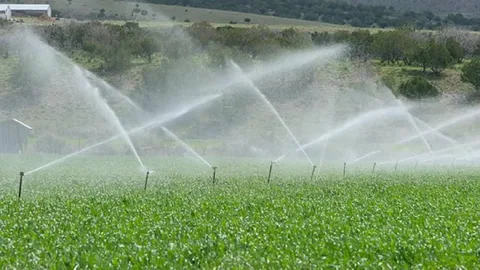
In commercial landscaping, these systems are scaled up for large properties like parks, golf courses, or corporate campuses, often integrated with smart technology for efficiency.
The Importance of Irrigation and Sprinkler Services
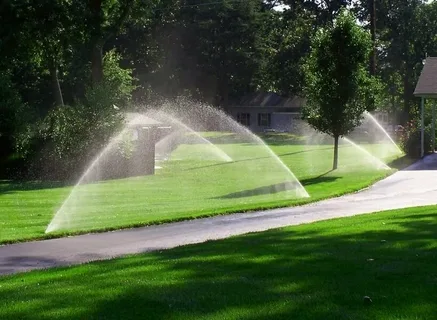
Proper irrigation is vital for plant health, preventing issues like wilting, root rot, or disease. In commercial settings, it enhances property value, attracts customers, and supports sustainability goals. For instance, efficient watering reduces water bills and aligns with environmental regulations, such as those from the EPA on water conservation.
Benefits include:
- Water Conservation: Modern systems use drip irrigation or smart controllers to minimize waste, saving up to 50% on water usage compared to manual methods.
- Cost Efficiency: Automated systems reduce labor costs and ensure consistent results, crucial for businesses where downtime can mean lost revenue.
- Aesthetic and Functional Appeal: Well-irrigated landscapes look lush, improving curb appeal for retail spaces or employee morale in office environments.
- Environmental Impact: By using recycled water or rainwater harvesting, these services contribute to green initiatives, reducing urban runoff and supporting biodiversity.
Studies from the Irrigation Association show that properly maintained systems can extend plant life and improve soil health, making them indispensable for long-term landscaping success.
Types of Irrigation and Sprinkler Systems
Choosing the right system depends on the landscape’s needs, soil type, and climate. Here’s a breakdown of common types:
Sprinkler Systems
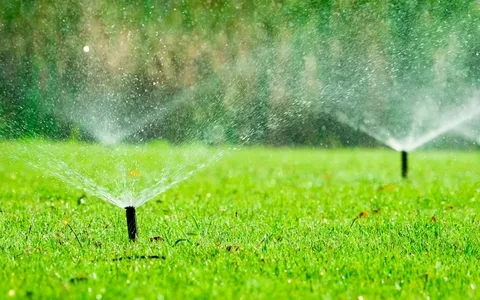
- Lawn Sprinklers: Ideal for large grassy areas, using rotor heads for even coverage. Best for turf in parks or sports fields.
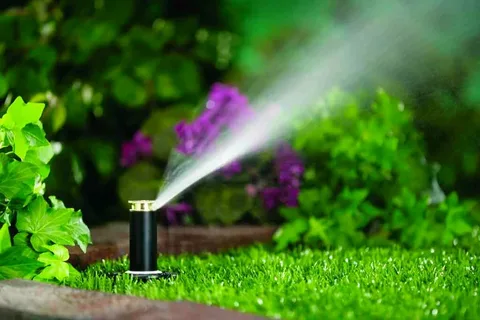
- Shrub and Flower Sprinklers: Smaller, adjustable heads for precise watering around plants, reducing evaporation.
- Pop-Up Sprinklers: Retractable for safety and aesthetics, common in residential and commercial lawns.
Drip Irrigation
- Emitter Systems: Deliver water directly to roots via tubes and emitters, minimizing waste. Perfect for gardens, trees, or drought-tolerant plants in commercial xeriscapes.
- Soaker Hoses: Porous hoses that seep water slowly, great for ground covers or raised beds.
Specialized Systems
- Subsurface Irrigation: Buried systems that water underground, ideal for arid climates or high-traffic areas like golf courses.
- Smart Irrigation: Integrated with weather apps and sensors for real-time adjustments, reducing water use by 20-30%.
For commercial projects, hybrid systems combining sprinklers and drip are often used to cater to diverse plant zones.
The Installation Process
Installing an irrigation system requires expertise to ensure longevity and efficiency. The process typically involves:
- Site Assessment: Evaluate soil, topography, water source, and plant types. Professionals use tools like soil probes to check drainage.
- Design Planning: Map out zones, calculate water needs, and select components. Software like Rain Bird’s Landscape Management System aids in precise design.
- Excavation and Laying Pipes: Dig trenches for pipes, ensuring proper depth to avoid freezing in cold climates.
- Installing Components: Place sprinkler heads, valves, and controllers, connecting to the water supply.
- Testing and Calibration: Run the system to check for leaks, adjust pressure, and program timers. This step is critical for commercial setups to avoid disruptions.
Costs vary from $2 to $7 per square foot, depending on complexity. Permits may be needed for larger installations, and eco-friendly options like rainwater collection can add value.
Maintenance and Troubleshooting
Ongoing maintenance is key to preventing costly repairs. Services include seasonal checks, winterization, and upgrades.
Routine Maintenance Tasks
- Cleaning and Adjusting: Remove debris from sprinkler heads and adjust arcs for even coverage.
- Valve and Pipe Inspections: Check for leaks or blockages, which can waste water and damage landscapes.
- Controller Programming: Update schedules based on weather forecasts to avoid overwatering.
- Winterization: Drain systems in freezing areas to prevent pipe bursts.
Common Issues and Solutions
- Leaks: Often caused by root intrusion or wear; repair with epoxy or replace sections.
- Uneven Watering: Adjust heads or add emitters for better distribution.
- Clogged Nozzles: Flush with vinegar solutions or replace filters.
- Sensor Malfunctions: Calibrate or replace smart sensors for accurate readings.
Professional services offer annual contracts, including emergency repairs, ensuring systems run smoothly. Neglecting maintenance can lead to water waste equivalent to thousands of gallons annually.
Benefits and Challenges in Commercial Applications
In commercial landscaping, irrigation services boost productivity and sustainability. For example, hotels use them for lush grounds that enhance guest experiences, while schools maintain safe play areas. Challenges include high initial costs and the need for skilled technicians. However, ROI is evident—well-irrigated properties see higher occupancy rates and lower utility bills.
Environmental challenges like water scarcity drive innovations, but vandalism or theft of components can be issues in public spaces. Solutions involve durable materials and security features.
Trends and Innovations
The field is advancing with technology. Smart controllers connected to IoT devices allow remote monitoring via apps, optimizing water use. AI predicts watering needs based on historical data, while solar-powered systems reduce energy costs.
Sustainable trends include greywater recycling and native plant integration, aligning with LEED standards. In urban areas, vertical irrigation for green walls is emerging.
Case Studies: Success Stories
The Bellagio Hotel in Las Vegas features a sophisticated sprinkler system for its iconic fountains, ensuring spectacular displays while conserving water. Similarly, the University of California, Berkeley, uses drip irrigation in its campus gardens, reducing water use by 40% and supporting research on sustainable practices.
In retail, Walmart’s stores incorporate smart irrigation to maintain landscaping that attracts shoppers, demonstrating cost savings and environmental benefits.
The Future of Irrigation and Sprinkler Services
As climate change intensifies, demand for efficient systems will grow. Innovations like bio-degradable pipes and AI-driven analytics promise smarter, greener solutions. The industry is expanding globally, with opportunities in smart cities and agriculture.
In summary, irrigation and sprinkler services are essential for thriving landscapes, blending technology with sustainability. By investing in these systems, businesses and communities can create resilient, beautiful spaces that endure. Whether upgrading an existing setup or planning anew, professional services ensure optimal results.