When designing or maintaining your yard, the terms “hardscape” and “softscape” often come up in landscaping discussions. These two elements form the backbone of any outdoor space, but they serve different purposes and offer unique benefits. Hardscape refers to the non-living, structural components of your landscape, such as patios, walkways, retaining walls, and decks. Softscape, on the other hand, encompasses the living elements, including plants, trees, shrubs, grass, and flowers. The question isn’t necessarily which one is “better”—it’s about finding the right balance to create a functional, beautiful, and sustainable yard that suits your lifestyle, budget, and climate. In this article, we’ll explore the differences between hardscape and softscape, their pros and cons, and how to integrate them for optimal results.
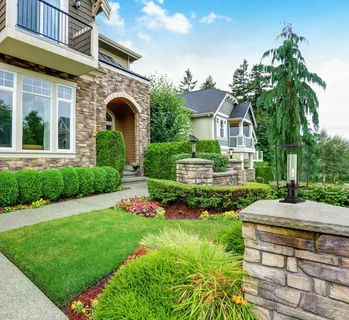
Understanding Hardscape: The Structural Foundation
Hardscape elements are the “bones” of your landscape. They provide structure, durability, and functionality, turning raw outdoor space into usable areas. Common hardscape features include:
- Patios and Decks: Elevated or ground-level platforms for outdoor living, dining, or entertaining.
- Walkways and Paths: Paved routes made from stone, brick, concrete, or gravel to guide foot traffic.
- Retaining Walls: Structures that hold back soil on slopes, preventing erosion.
- Fences and Pergolas: Boundaries and shaded structures for privacy and aesthetics.
- Driveways and Parking Areas: Functional surfaces for vehicles.
Materials for hardscape range from natural stone and brick to modern concrete and pavers. The key is longevity—hardscape is designed to withstand weather, heavy use, and time, often lasting decades with minimal maintenance.
Pros of Hardscape
- Durability and Low Maintenance: Once installed, hardscape requires little upkeep. No watering, pruning, or fertilizing needed—just occasional cleaning or sealing.
- Functionality: It creates defined spaces for activities like barbecues, play areas, or relaxation zones, increasing your yard’s usability.
- Value Addition: Well-designed hardscape can significantly boost your home’s curb appeal and resale value. For example, a stone patio might add 5-10% to property value.
- Weather Resistance: It holds up against rain, snow, and extreme temperatures, making it ideal for harsh climates.
Cons of Hardscape
- High Initial Cost: Installation can be expensive, with materials and labor running from 50,000 or more for extensive projects.
- Less Flexibility: Changing hardscape is difficult and costly once set. If your needs evolve, you’re stuck with the design.
- Environmental Impact: Large concrete areas can contribute to urban heat islands, increasing local temperatures and runoff issues.
- Aesthetic Limitations: Without softscape, yards can feel stark or impersonal, lacking the warmth of greenery.
Hardscape shines in urban or low-maintenance settings where you want defined, permanent features.
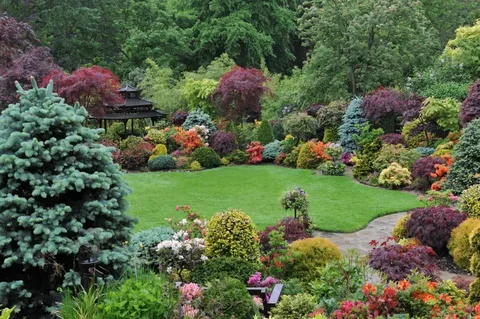
Understanding Softscape: The Living, Breathing Elements
Softscape brings life and color to your yard, focusing on organic, growing components. It’s the plants, soil, and greenery that soften hard edges and create a natural feel. Key softscape elements include:
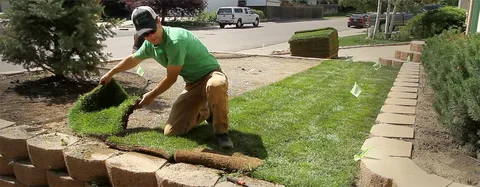
- Lawns and Turf: Grassy areas for recreation or ground cover.
- Trees and Shrubs: Woody plants for shade, privacy, and structure.
- Flowers and Perennials: Seasonal blooms for color and pollinator attraction.
- Ground Covers and Vines: Low-maintenance plants to fill spaces and prevent erosion.
- Vegetable Gardens or Ornamental Beds: Edible or decorative planting areas.
Softscape relies on soil health, water, and sunlight, making it dynamic and ever-changing.
Pros of Softscape
- Natural Beauty and Biodiversity: Plants add texture, fragrance, and wildlife habitat, creating a serene, eco-friendly environment.
- Cost-Effectiveness Over Time: Initial planting costs are lower than hardscape, and ongoing expenses (like mulch or compost) are manageable.
- Health Benefits: Gardening promotes physical activity, reduces stress, and improves air quality through photosynthesis.
- Flexibility and Adaptability: You can easily modify softscape by replanting or pruning to suit changing tastes or needs.
- Environmental Advantages: It helps with soil erosion control, stormwater management, and carbon sequestration.
Cons of Softscape
- High Maintenance: Requires regular watering, weeding, fertilizing, and pest control, especially in the growing season.
- Seasonal Changes: Plants die back in winter, leaving yards bare, and they can be vulnerable to droughts, pests, or diseases.
- Lifespan and Replacement: Unlike hardscape, softscape elements have shorter lifespans—trees might need decades, but annuals last only a season.
- Climate Dependency: Success depends on local conditions; what thrives in one region may struggle in another.
Softscape is perfect for those who enjoy nurturing nature and want a lush, evolving landscape.
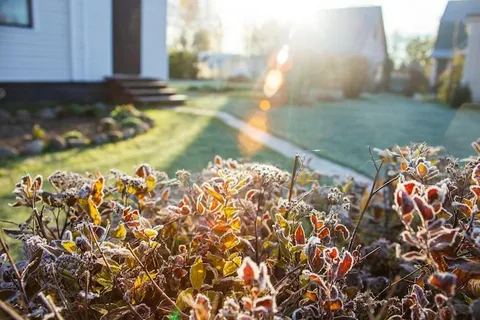
Hardscape vs. Softscape: Finding the Right Balance
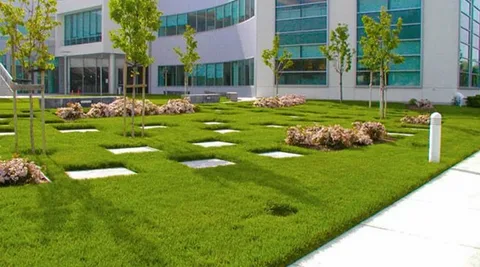
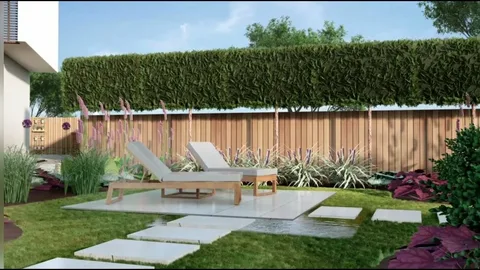
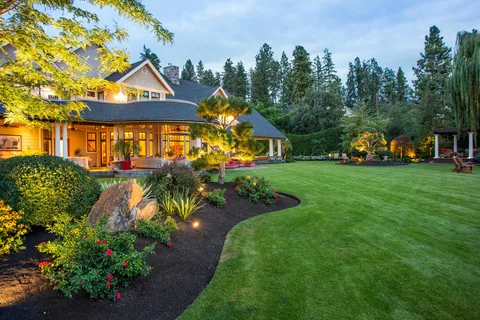
The best yard isn’t an either-or proposition—it’s a harmonious blend of both. Think of hardscape as the framework and softscape as the embellishment. For instance, a concrete patio (hardscape) surrounded by flower beds and shade trees (softscape) creates a balanced, inviting space.
When to Prioritize Hardscape
- If you have a busy lifestyle and want low-maintenance areas for entertaining or parking.
- In urban or small yards where space is limited, hardscape maximizes functionality.
- For erosion-prone slopes, retaining walls provide stability that plants alone can’t offer.
- Budget-wise, if you have upfront capital but limited time for upkeep.
When to Prioritize Softscape
- If you’re passionate about gardening and want a natural, biodiverse yard.
- In larger properties where you can dedicate space to lawns or gardens.
- For eco-conscious homeowners aiming to reduce carbon footprints or attract wildlife.
- If your climate supports year-round greenery, softscape can dominate without much hardscape.
A good rule of thumb: Aim for 60-70% softscape and 30-40% hardscape in most residential yards. This ratio ensures balance—enough structure for usability, enough plants for beauty.
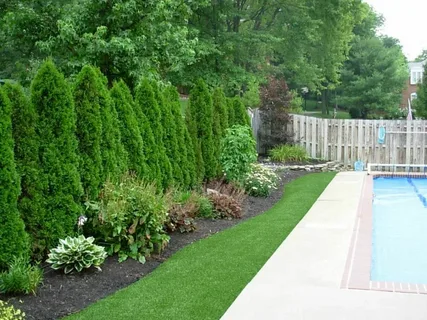
Tips for Integrating Hardscape and Softscape
- Plan with Purpose: Sketch your yard and consider traffic flow, sun exposure, and focal points. Use hardscape to define zones (e.g., a path leading to a garden bed).
- Choose Complementary Materials: Select hardscape materials that echo natural elements, like stone paths that blend with rocky soil or wooden decks that complement tree bark.
- Incorporate Sustainability: Opt for permeable pavers to allow water absorption, reducing runoff. Plant native species in softscape areas for easier maintenance and ecological benefits.
- Budget and Scale: Start small—install a walkway first, then add plants. Factor in long-term costs; hardscape might save money over time if it reduces softscape maintenance.
- Maintenance Strategies: For hardscape, seal surfaces annually. For softscape, use mulch to cut down on weeding and watering.
- Professional Help: Consult a landscaper for design advice. They can help assess soil, drainage, and local codes.
Real-World Examples
In a suburban yard, a homeowner might use hardscape like a brick patio for outdoor dining, softened by softscape such as climbing vines on a pergola and perennial borders. In a rural setting, softscape dominates with expansive lawns and orchards, accented by gravel paths (hardscape) for access.
Ultimately, the “best” choice depends on your priorities. If durability and ease win out, lean toward hardscape. If you crave living beauty, go for softscape. Most yards benefit from a mix, creating spaces that are both practical and picturesque.
By thoughtfully combining hardscape and softscape, you’ll craft a yard that’s not just functional but a true extension of your home. Whether you’re starting from scratch or refining an existing design, remember: the goal is harmony with nature and your lifestyle.