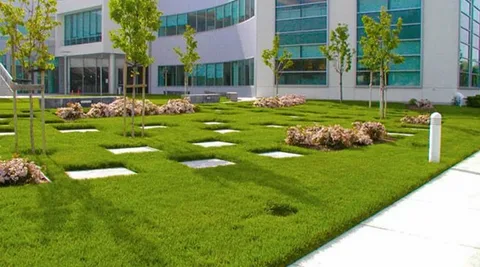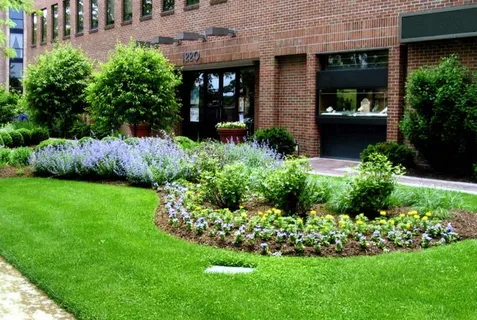
Commercial landscaping is a specialized field that transforms outdoor spaces into functional, aesthetically pleasing environments tailored for businesses, institutions, and public venues. Unlike residential landscaping, which focuses on personal enjoyment, commercial projects emphasize durability, low maintenance, and alignment with a company’s brand or purpose. This article explores the intricacies of commercial landscaping, from its core principles to emerging trends, providing insights for property owners, designers, and enthusiasts alike.
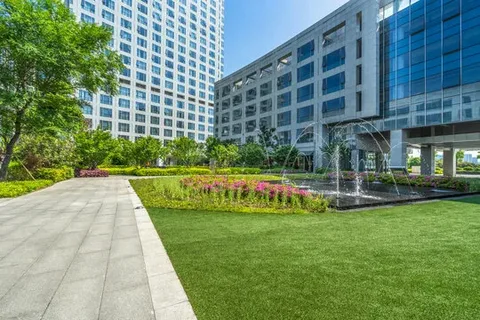
What is Commercial Landscaping?
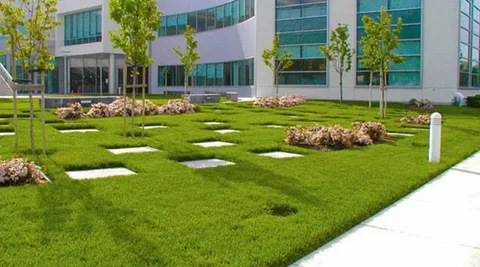
Commercial landscaping refers to the design, installation, and maintenance of outdoor areas for non-residential properties such as office buildings, retail centers, hotels, schools, hospitals, and parks. It goes beyond mere decoration; it’s about creating spaces that enhance productivity, attract customers, and promote well-being. Key elements include hardscaping (paved paths, retaining walls), softscaping (plants, trees, lawns), irrigation systems, lighting, and sustainable features like rain gardens or green roofs.
The primary goal is functionality. For instance, a corporate campus might feature ergonomic seating areas for employee breaks, while a shopping mall prioritizes pedestrian flow and visual appeal to boost foot traffic. Commercial landscapers must consider factors like local climate, soil conditions, zoning laws, and budget constraints. Professionals in this field often hold certifications from organizations like the Association of Professional Landscape Designers (APLD) or the International Society of Arboriculture (ISA).

The Importance of Commercial Landscaping
In today’s competitive market, a well-landscaped commercial property can be a significant asset. Studies from the American Society of Landscape Architects (ASLA) show that attractive outdoor spaces can increase property values by up to 20% and improve employee satisfaction by fostering a positive work environment. For businesses, it serves as a marketing tool—think of Starbucks’ inviting patios or Google’s lush campuses, which enhance brand image and customer loyalty.
Beyond aesthetics, commercial landscaping contributes to environmental sustainability. It can reduce urban heat islands through strategic planting, manage stormwater runoff with permeable pavements, and support biodiversity by incorporating native plants. In an era of climate change, these practices align with corporate social responsibility (CSR) initiatives, helping companies meet green building standards like LEED certification.
Moreover, it promotes health and wellness. Access to green spaces has been linked to reduced stress, improved mental health, and even higher productivity. Schools and hospitals benefit from landscaped areas that encourage outdoor learning or recovery, while retail spaces use them to create immersive experiences that drive sales.
Key Components and Design Principles
Successful commercial landscaping hinges on thoughtful design. The process typically begins with a site assessment, where landscapers evaluate topography, existing vegetation, and utility lines. This is followed by conceptual planning, which incorporates the client’s vision, budget, and functional needs.
Hardscaping Elements
Hardscaping provides structure and durability. Common features include:
- Paving and Walkways: Materials like concrete, stone, or brick ensure safe, accessible paths. For example, ADA-compliant designs accommodate wheelchairs and strollers.
- Walls and Retaining Structures: These manage slopes and define spaces, often using natural stone for an organic look.
- Fountains and Water Features: They add tranquility and can serve as focal points, but require low-maintenance pumps to avoid operational costs.
Softscaping Elements
Plants form the living canvas. Choices depend on climate and maintenance levels:
- Trees and Shrubs: Evergreen varieties offer year-round appeal, while deciduous ones provide seasonal interest. In arid regions, drought-tolerant xeriscaping is popular.
- Lawns and Ground Covers: Artificial turf is increasingly used for low-water, high-traffic areas like sports fields.
- Flowers and Perennials: These add color and attract pollinators, enhancing biodiversity.
Design principles emphasize balance, scale, and harmony. The “rule of thirds” in composition ensures visual interest, while sustainability dictates the use of native plants to minimize water and pesticide needs. Technology plays a role too—drones for aerial surveys and software like AutoCAD for precise planning.
The Process of Implementation and Maintenance
Implementing a commercial landscape project involves several stages:
- Planning and Budgeting: Collaborate with architects, engineers, and clients to outline goals and costs, which can range from 50 per square foot depending on complexity.
- Installation: This phase includes grading, planting, and installing fixtures. It often requires permits and coordination with utilities.
- Maintenance: Ongoing care is crucial. Services include mowing, pruning, pest control, and irrigation checks. Many firms offer seasonal packages to ensure longevity.
Maintenance isn’t just upkeep; it’s an investment. Neglected landscapes can lead to safety hazards, like overgrown shrubs obscuring visibility, or environmental issues, such as invasive species spreading. Advanced techniques like integrated pest management (IPM) reduce chemical use, aligning with eco-friendly practices.
Trends and Innovations in Commercial Landscaping
The industry is evolving with technology and sustainability at the forefront. Smart irrigation systems, powered by sensors and apps, optimize water use, cutting costs by up to 30%. LED lighting not only saves energy but also creates dynamic, programmable displays for events.
Green infrastructure is booming. Biophilic design integrates nature into urban settings, as seen in rooftop gardens that insulate buildings and reduce energy consumption. Vertical gardens and living walls are popular in dense cities, providing greenery without sacrificing space.
Another trend is regenerative landscaping, which restores ecosystems. For example, projects might convert parking lots into pollinator habitats or use mycelium-based materials for erosion control. With the rise of remote work, outdoor workspaces like pod gardens are emerging, offering private areas for calls or meetings.
Sustainability certifications, such as those from the Sustainable Sites Initiative (SITES), are becoming standard. Companies like Amazon and Walmart are investing in large-scale projects that incorporate solar-powered features and recycled materials.
Challenges and Solutions
Despite its benefits, commercial landscaping faces hurdles. Budget limitations can lead to cost-cutting that compromises quality, while urban sprawl reduces available space. Climate change introduces unpredictability, with extreme weather necessitating resilient designs.
Solutions include modular systems for easy updates and partnerships with environmental consultants. Education is key—landscapers are training in climate-adaptive strategies, like using flood-resistant plants in vulnerable areas.
Legal and regulatory challenges, such as compliance with environmental laws, require expertise. For instance, projects near wetlands must adhere to EPA guidelines to avoid fines.
Case Studies: Real-World Successes
Consider the transformation of the High Line in New York City, once an abandoned railway, now a thriving park that boosts local economy and tourism. Or the Googleplex in Mountain View, California, where native plantings and water-efficient systems create a campus that inspires innovation.
In retail, the Mall of America incorporates indoor-outdoor spaces with themed gardens, enhancing visitor experience. These examples illustrate how commercial landscaping can turn liabilities into assets.
The Future of Commercial Landscaping
As urbanization accelerates, the demand for green, resilient spaces will grow. Innovations like AI-driven design tools and bioengineered plants promise even more efficient solutions. The field is poised for expansion, with opportunities in smart cities and eco-tourism.
In conclusion, commercial landscaping is more than planting trees—it’s about crafting environments that support business, health, and the planet. By prioritizing sustainability and innovation, it shapes the world we live in, one project at a time. Whether you’re a business owner or a budding landscaper, understanding this field opens doors to endless possibilities.