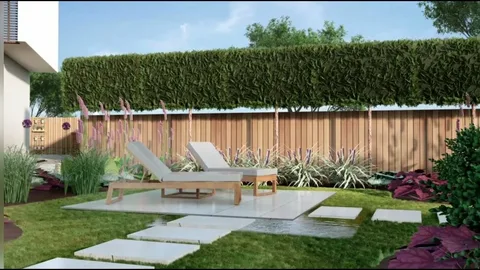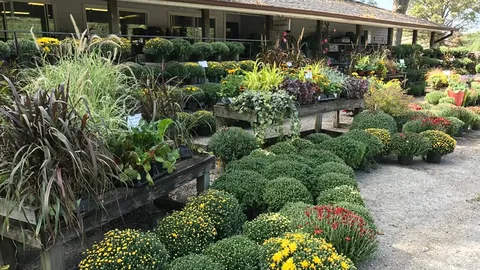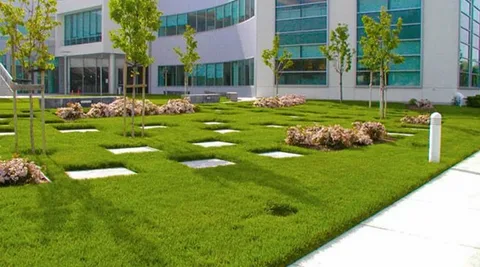
Commercial landscaping involves the design, installation, and maintenance of outdoor spaces for businesses, such as offices, retail centers, hotels, and public facilities. Unlike residential landscaping, which focuses on personal aesthetics and recreation, commercial projects prioritize functionality, durability, and cost-effectiveness while enhancing brand image and user experience. This guide explores the key aspects of commercial landscaping, from planning to execution, helping stakeholders create spaces that attract customers, boost productivity, and comply with regulations.
Understanding Commercial Landscaping
Commercial landscaping encompasses a wide range of services, including hardscaping (pavements, walls, and structures), softscaping (plants, trees, and turf), irrigation systems, lighting, and maintenance. The goal is to create environments that serve multiple purposes: improving curb appeal, providing safety, reducing energy costs, and promoting sustainability.
Key differences from residential landscaping include:
- Scale and Budget: Projects often cover large areas with budgets ranging from thousands to millions, requiring efficient resource management.
- Durability: Materials must withstand heavy foot traffic, weather extremes, and maintenance vehicles.
- Regulations: Compliance with local codes, ADA accessibility standards, and environmental laws is essential.
- ROI Focus: Investments aim for quick returns through increased property value, customer retention, and operational efficiency.
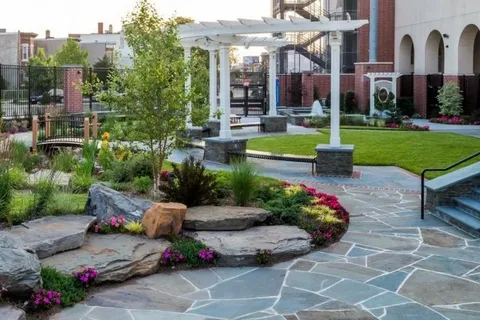
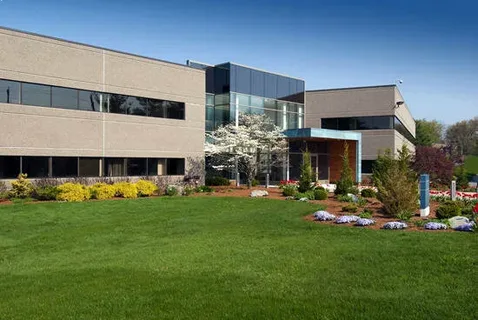
Successful commercial landscapes integrate elements like parking lots, walkways, green spaces, and water features to create inviting, functional areas.
Benefits of Commercial Landscaping
Investing in professional landscaping yields tangible and intangible rewards. Studies from the American Society of Landscape Architects (ASLA) show that well-designed outdoor spaces can increase property values by 10-20% and improve employee satisfaction by up to 15%.
- Enhanced Aesthetics and Branding: A manicured landscape reflects a company’s professionalism, attracting clients and differentiating from competitors.
- Environmental Impact: Features like native plants and rain gardens reduce stormwater runoff, lower utility bills through shade trees, and support biodiversity.
- Health and Productivity: Green spaces reduce stress, improve air quality, and encourage outdoor activities, leading to happier employees and customers.
- Safety and Accessibility: Proper lighting, signage, and ADA-compliant paths minimize liability risks.
- Economic Gains: Reduced maintenance costs (e.g., drought-resistant plants) and tax incentives for eco-friendly designs add up.
For example, retail centers with landscaped entrances report higher foot traffic, while office complexes with outdoor break areas see lower turnover rates.
Planning and Design Phase
Effective commercial landscaping starts with thorough planning. Collaborate with architects, engineers, and landscape designers to align the project with business objectives.
Site Assessment
- Evaluate the site’s topography, soil quality, climate, and existing features.
- Conduct traffic flow analysis to identify high-use areas.
- Consider environmental factors like sunlight, wind, and water drainage.
Budgeting and Timeline
- Allocate funds for design (10-20% of total), materials (40-50%), labor (20-30%), and contingencies.
- Set realistic timelines; small projects take weeks, while large ones span months.
Design Principles
- Functionality First: Prioritize usability—e.g., wide paths for accessibility and shaded areas for comfort.
- Sustainability: Incorporate xeriscaping (low-water plants) and recycled materials to meet green building standards like LEED.
- Thematic Integration: Match designs to the business theme, such as a spa’s serene gardens or a tech firm’s modern, minimalist layout.
- Layering: Use vertical elements (trees, pergolas) for depth and horizontal ones (lawns, patios) for flow.
Tools like CAD software help visualize designs, ensuring stakeholder approval before implementation.
Key Elements and Installation
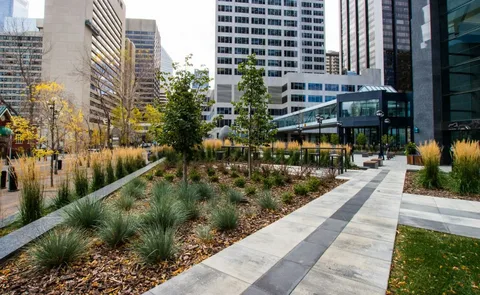
Commercial landscapes blend hard and soft elements for durability and appeal.
Hardscaping
- Pavements and Walkways: Use permeable pavers or concrete for drainage and longevity. Install ADA ramps and tactile warnings for safety.
- Retaining Walls and Structures: Stone or concrete walls prevent erosion and create terraces.
- Lighting and Signage: LED fixtures for energy efficiency and wayfinding signs for navigation.
Installation involves grading, excavation, and precise placement to avoid settling issues.
Softscaping
- Turf and Ground Cover: Opt for low-maintenance options like artificial turf for high-traffic areas or native grasses for eco-friendliness.
- Plants and Trees: Select species tolerant to local conditions—e.g., evergreens for year-round appeal or flowering shrubs for seasonal interest.
- Irrigation Systems: Automated drip or sprinkler systems ensure efficient water use, reducing costs by 30-50%.
For sod installation in commercial settings, follow similar steps as in residential but scale up: prepare large areas with machinery, lay sod in grids, and use rollers for compaction. Water immediately and monitor for the first month.
Water Features and Amenities
- Ponds, fountains, or rain gardens add tranquility and biodiversity.
- Seating areas, bike racks, and outdoor furniture enhance usability.
Hire certified contractors for installation to guarantee quality and warranties.
Maintenance and Long-Term Care
Ongoing maintenance is crucial for commercial landscapes, as neglected areas can lead to safety hazards and reputational damage.
Routine Tasks
- Mowing and Pruning: Schedule weekly or bi-weekly services, adjusting for seasons.
- Irrigation Checks: Monitor systems for leaks and efficiency.
- Pest and Weed Control: Use integrated pest management (IPM) to minimize chemicals.
- Fertilization and Soil Health: Apply balanced fertilizers and amend soil as needed.
Seasonal Considerations
- Winter: Protect plants from frost and clear snow from paths.
- Summer: Increase watering and mulch to retain moisture.
Many businesses outsource to landscaping firms for cost savings. Advanced tools like drone surveys and smart irrigation apps streamline monitoring.
Challenges and Solutions
Commercial landscaping faces unique hurdles:
- High Costs: Mitigate with phased implementations and grants for green projects.
- Weather and Vandalism: Choose resilient materials and install surveillance.
- Regulatory Compliance: Work with experts to navigate permits and codes.
- Sustainability Pressures: Adopt eco-practices to align with corporate social responsibility (CSR) goals.
Case studies, such as the transformation of urban office parks into green hubs, demonstrate how overcoming these challenges boosts ROI.
Future Trends in Commercial Landscaping
The industry is evolving with technology and sustainability:
- Smart Landscapes: IoT sensors for real-time monitoring of soil moisture and energy use.
- Biodiversity Focus: Incorporating pollinator gardens and wildlife habitats.
- Urban Greening: Rooftop gardens and vertical farms in dense cities.
- Post-Pandemic Shifts: Emphasis on outdoor workspaces for hybrid models.
By staying ahead, businesses can future-proof their landscapes.
Conclusion: Investing in Commercial Landscaping
Commercial landscaping is more than aesthetics—it’s a strategic investment in functionality, sustainability, and profitability. From initial design to ongoing care, prioritizing quality and compliance ensures spaces that serve and impress. Whether revamping a parking lot or creating a corporate oasis, professional landscaping elevates any commercial property. Consult experts to tailor solutions to your needs and reap the long-term benefits.