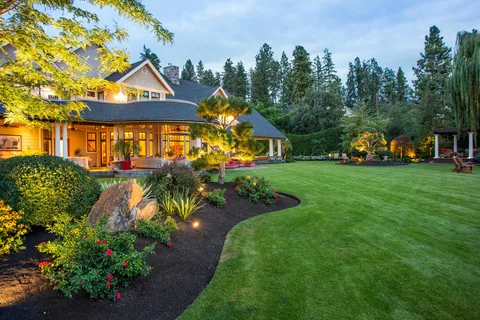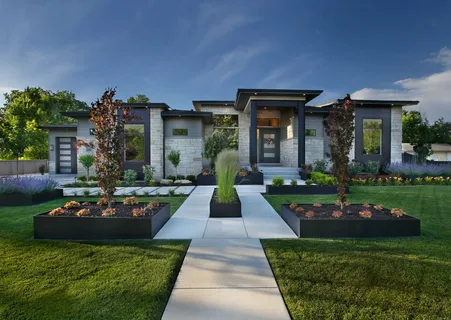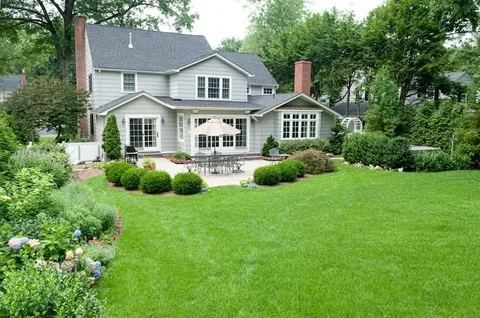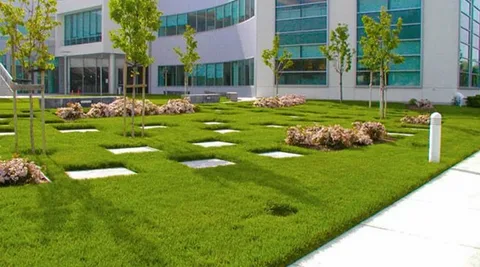
Commercial landscaping refers to the design, installation, and maintenance of outdoor spaces for businesses, including offices, retail centers, hotels, and industrial facilities. Unlike residential landscaping, which focuses on personal aesthetics and leisure, commercial projects prioritize functionality, branding, and attracting customers or clients. This article explores the key aspects of commercial landscaping, its benefits, design principles, and maintenance strategies, providing insights for business owners and landscapers alike.
Understanding Commercial Landscaping
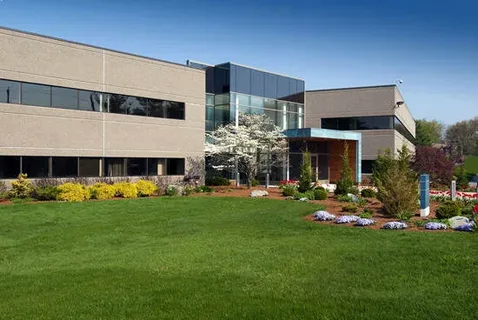
At its core, commercial landscaping transforms utilitarian outdoor areas into inviting, productive spaces. It encompasses elements like lawns, trees, shrubs, pathways, water features, lighting, and hardscaping (e.g., patios, walkways, and retaining walls). The goal is to create environments that align with a company’s image, improve employee morale, and enhance customer experiences.
For instance, a tech company’s campus might feature modern, minimalist designs with native plants to promote sustainability, while a restaurant’s outdoor patio could include lush greenery and seating to encourage dining al fresco. Commercial landscaping often integrates with architecture, ensuring seamless transitions between indoor and outdoor spaces.
Benefits of Commercial Landscaping
Investing in commercial landscaping yields numerous advantages, both tangible and intangible. Economically, well-maintained landscapes can increase property values by 10-20%, according to studies from the American Society of Landscape Architects (ASLA). They also attract more foot traffic; a study by the University of Michigan found that attractive exteriors can boost retail sales by up to 12%.
From a branding perspective, landscapes reinforce corporate identity. A bank might use symmetrical, formal gardens to convey trust and stability, while a creative agency could opt for eclectic, artistic installations to reflect innovation. Environmentally, commercial landscaping promotes sustainability through features like rain gardens that manage stormwater runoff, reducing flood risks and complying with regulations like the Clean Water Act.
Employee benefits are significant too. Access to green spaces has been linked to reduced stress and higher productivity. A 2015 study in the Journal of Environmental Psychology showed that workers with views of nature reported 15% higher job satisfaction. For customers, inviting landscapes create positive first impressions, fostering loyalty and repeat visits.
Key Design Principles
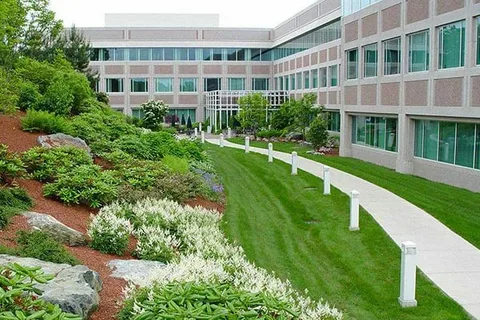
Effective commercial landscaping follows principles tailored to business needs. Functionality is paramount—designs must accommodate high-traffic areas, parking lots, and accessibility standards under the Americans with Disabilities Act (ADA). Aesthetics should balance beauty with practicality, using durable materials that withstand wear.
Sustainability is increasingly central. Low-maintenance plants like succulents or native species reduce water and pesticide use. Xeriscaping, which emphasizes drought-tolerant plants, can cut irrigation costs by 50-70% in arid regions. Biophilic design incorporates natural elements indoors and outdoors, improving well-being.
Scalability matters for growing businesses. Modular designs allow for easy expansions, such as adding benches or planters as a company hires more staff. Lighting and signage integration ensures safety and wayfinding, especially in large complexes.
Types of Commercial Landscaping Projects
Commercial landscaping varies by sector:
- Office and Corporate Campuses: Focus on employee amenities like walking paths, picnic areas, and green roofs. Google’s Mountain View campus exemplifies this with extensive gardens and recreational spaces.
- Retail and Hospitality: Emphasize curb appeal with flower beds, fountains, and outdoor seating. Hotels like the Bellagio in Las Vegas use elaborate water features to draw tourists.
- Industrial and Warehouses: Prioritize safety and functionality, such as gravel lots for heavy machinery and perimeter plantings for privacy and noise reduction.
- Healthcare Facilities: Incorporate healing gardens with therapeutic plants to aid patient recovery. The Cleveland Clinic’s gardens include sensory elements for stress relief.
- Educational Institutions: Create welcoming entrances with shade trees and play areas, enhancing community engagement.
Implementation and Planning
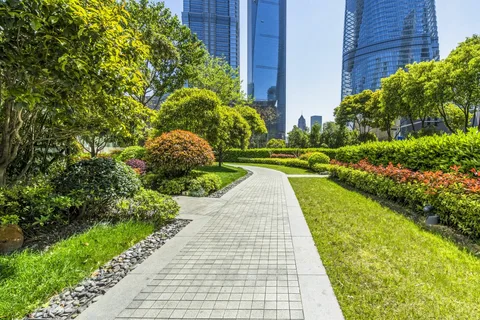
Planning a commercial landscaping project starts with a site assessment, evaluating soil, climate, and existing infrastructure. Budgeting is crucial; costs range from $5-50 per square foot, depending on complexity. Hiring certified professionals, such as those with Landscape Architect Registration Examination (LARE) credentials, ensures quality.
Phased implementation minimizes disruption. For example, start with hardscaping, then add plants. Technology aids in design—software like AutoCAD or SketchUp creates 3D models for visualization.
Maintenance and Sustainability
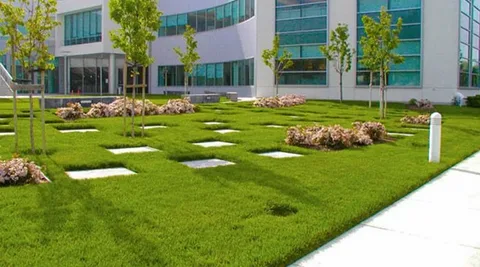
Ongoing maintenance is vital for longevity. Regular tasks include mowing, pruning, fertilizing, and pest control. Seasonal adjustments, like mulching in fall to protect roots, prevent issues.
Sustainability practices include using organic fertilizers and integrated pest management (IPM) to avoid chemicals. Water-efficient systems, such as drip irrigation, conserve resources. Many projects aim for LEED certification, which rewards eco-friendly designs with points for green roofs, permeable pavements, and native plantings.
Emerging trends include smart landscaping with sensors for automated watering and app-controlled lighting, reducing energy use. Urban greening initiatives combat heat islands, lowering temperatures in cities by 2-5°F.
Challenges and Solutions
Commercial landscaping faces hurdles like budget constraints, harsh climates, and regulatory compliance. Urban sites often have limited space, necessitating vertical gardens or rooftop installations. Climate change adds risks, such as invasive species or extreme weather, mitigated by resilient plant choices.
Solutions include phased budgets and partnerships with local nurseries for cost-effective sourcing. Education on benefits helps justify investments to stakeholders.
Case Studies
Consider the transformation of the High Line in New York City, a former railway turned elevated park. This commercial-adjacent project boosted nearby property values by 125% and attracts millions of visitors annually, demonstrating landscaping’s economic impact.
In corporate settings, Apple’s Cupertino headquarters features vast green spaces that integrate with buildings, promoting innovation and employee retention.
Future Trends
The industry is evolving with technology. Drones for aerial surveys and AI for predictive maintenance are gaining traction. Emphasis on biodiversity, like pollinator gardens, supports ecological health. As remote work rises, landscapes may include hybrid indoor-outdoor workspaces.
In conclusion, commercial landscaping is more than aesthetics—it’s a strategic tool for business success. By prioritizing functionality, sustainability, and design, companies can create environments that enhance productivity, attract customers, and contribute to a greener future. Whether you’re a business owner planning a project or a landscaper seeking inspiration, understanding these elements ensures impactful results.