Introduction
Professional landscaping can transform your outdoor space into a beautiful, functional oasis, but it often comes with a hefty price tag. The good news is that with careful planning, DIY skills, and savvy shopping, you can achieve a polished look without breaking the bank. This guide outlines practical steps to create high-end curb appeal on a budget, focusing on cost-effective materials, labor-saving techniques, and long-term value. Whether you’re revamping a small yard or a large property, these tips will help you save money while delivering professional-quality results.
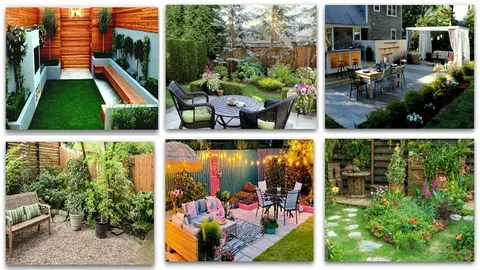
Planning Your Landscape Design
Start with a solid plan to avoid costly mistakes. Sketch your yard’s layout, considering sun exposure, soil type, drainage, and existing features like trees or slopes. Use free tools like Google Earth or apps such as Garden Tags for virtual design.
- Prioritize Needs Over Wants: Focus on essentials like functional pathways, seating areas, and privacy screens before adding decorative elements. This keeps costs down while ensuring usability.
- Scale Appropriately: Begin with one section of your yard (e.g., the front entrance) and expand gradually. This phased approach prevents overspending.
- Seek Free Resources: Consult local extension services or online forums for design advice. Many offer free consultations or templates.
Budget tip: Allocate 20-30% of your total budget to planning and design to maximize efficiency.
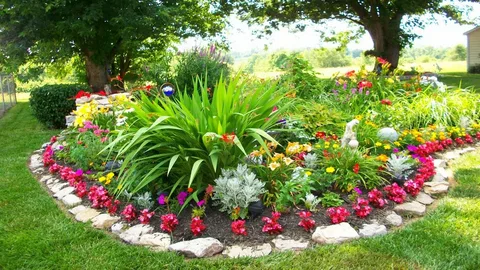
DIY Installation Techniques
Doing the work yourself is the biggest cost-saver. With basic tools and online tutorials, you can handle most tasks.
- Soil Preparation: Test your soil (kits cost 50/day.
- Hardscaping Basics: Build paths with affordable gravel or pavers. Source free or cheap rocks from construction sites (with permission) and lay them in a simple pattern.
- Planting: Opt for perennials that spread naturally, like hostas or daylilies, which are low-maintenance and inexpensive. Buy in bulk from nurseries or online wholesalers.
- Irrigation: Install a basic drip system using affordable kits ($50-100) instead of hiring professionals.
Safety first: Wear protective gear and learn from YouTube videos. If a task feels overwhelming, hire help for just that part to stay on budget.
Cost-Saving Material Choices
Smart material selection can cut costs by 50% or more without sacrificing quality.
- Mulch and Ground Cover: Use free wood chips from tree trimmers or buy bulk mulch ($1-2 per bag). For ground cover, choose native plants that require less water and maintenance.
- Fencing and Borders: Repurpose pallets or pallets for rustic fences. For borders, use recycled bricks or stones from salvage yards.
- Lighting and Decor: LED solar lights ($10-20 each) provide ambiance without electricity costs. Thrift stores or online marketplaces offer cheap statues and benches.
- Grass Alternatives: Instead of sod, consider seed or artificial turf for high-traffic areas. Artificial grass costs $2-5 per sq ft and lasts years.
Shop smart: Check discount sites like Craigslist, Facebook Marketplace, or bulk suppliers like Lowe’s or Home Depot for deals. Buy off-season for deeper discounts.
Incorporating Water Features and Focal Points
Water elements add elegance but can be pricey. DIY options keep it affordable.
- Ponds or Fountains: Build a small pond with a pre-formed liner (15). Use rocks from your yard for natural edging.
- Focal Points: Create a centerpiece with a birdbath made from an old basin or a trellis from scrap wood. These draw the eye and enhance professionalism.
Budget tip: Start small—a simple fountain can cost under $100 versus thousands for a custom one.
Maintenance for Long-Term Savings
A well-maintained landscape looks professional and reduces future expenses.
- Routine Care: Mow weekly, weed monthly, and fertilize seasonally with affordable organic options. Mulch to suppress weeds and retain moisture.
- Pest Control: Use natural remedies like neem oil instead of chemicals.
- Seasonal Updates: Refresh mulch or add annuals cheaply each year to keep it fresh.
Invest in quality tools: A good mower or pruner ($100-200) pays off over time by reducing repair needs.
Common Pitfalls and How to Avoid Them
- Underestimating Costs: Always add a 10-20% buffer for unexpected expenses.
- Poor Drainage: Fix this early to prevent erosion and replanting costs.
- Overplanting: Choose hardy plants to minimize replacements.
- Ignoring Permits: Check local regulations for free to avoid fines.
Conclusion
Professional landscaping on a budget is entirely achievable with creativity, planning, and elbow grease. By focusing on DIY methods, affordable materials, and smart maintenance, you can create a stunning yard that rivals high-end designs for a fraction of the cost. Start small, track your progress, and enjoy the satisfaction of a job well done. For inspiration, browse Pinterest or local gardens. Remember, the key is patience—your landscape will evolve beautifully over time.