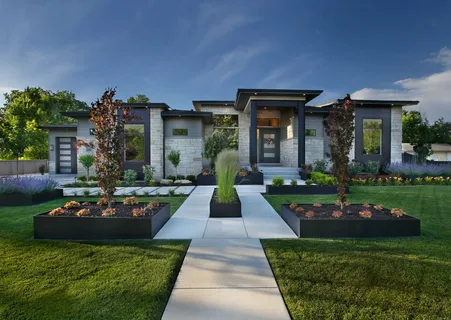
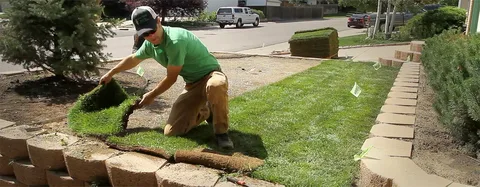
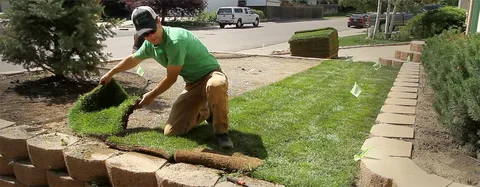
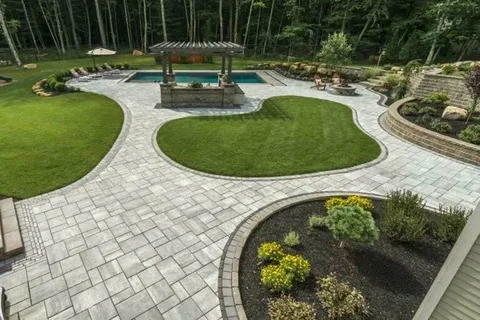
Hardscaping is the backbone of any well-designed outdoor environment, providing structure, functionality, and aesthetic appeal to landscapes that might otherwise feel incomplete. Unlike softscaping, which focuses on plants, trees, and greenery, hardscaping involves the installation of non-living elements like patios, walkways, retaining walls, and driveways. These features not only enhance the beauty of your property but also add practical value, making outdoor spaces more usable and durable. In this comprehensive guide, we’ll explore hardscaping services in detail, covering everything from benefits and types to the process of hiring professionals and maintenance tips. Whether you’re a homeowner looking to revamp your backyard or a property manager seeking to boost curb appeal, understanding hardscaping can help you make informed decisions.
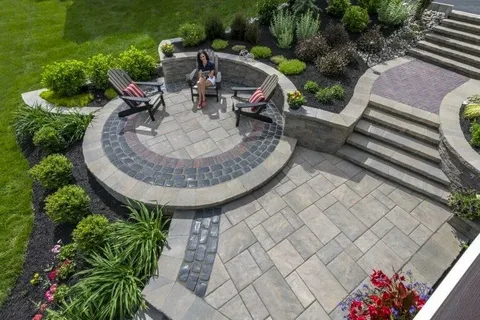
What is Hardscaping and Why Does It Matter?
At its core, hardscaping refers to the construction and installation of hard materials in landscaping. This includes elements made from stone, brick, concrete, wood, and other durable substances that withstand weather, foot traffic, and time. Hardscaping services encompass design, installation, and sometimes maintenance of these features, often provided by specialized contractors or landscapers.
Why invest in hardscaping? For starters, it transforms underutilized spaces into functional areas. Imagine converting a muddy patch into a paved patio perfect for entertaining guests or a steep slope into a terraced garden with retaining walls. Beyond aesthetics, hardscaping increases property value—studies from the National Association of Realtors show that well-landscaped homes sell for 5-11% more than those without. It also improves safety by reducing erosion, preventing slips, and creating defined pathways. Environmentally, hardscaping can incorporate sustainable materials like recycled concrete or permeable pavers that allow water to seep into the ground, reducing runoff and flooding.
In urban areas, hardscaping helps combat the “heat island” effect by using light-colored materials that reflect sunlight, keeping surroundings cooler. For commercial properties, it can define spaces for parking, outdoor seating, or recreational areas, enhancing business appeal.
Key Benefits of Professional Hardscaping Services
Hiring experts for hardscaping services ensures high-quality results that last. Here are some standout benefits:
- Durability and Low Maintenance: Hardscape elements like stone walkways or concrete driveways can endure for decades with minimal upkeep, unlike plants that require constant care.
- Customization and Aesthetics: Professionals can tailor designs to match your home’s style, whether it’s rustic stone for a cottage vibe or sleek modern concrete for a contemporary look.
- Functionality: Features like raised garden beds or outdoor kitchens make spaces more versatile, supporting activities from barbecues to gardening.
- Property Value Boost: As mentioned, well-executed hardscaping can significantly increase resale value. A 2023 report from Zillow noted that outdoor improvements like patios add an average of $10,000 to home value.
- Environmental Impact: Eco-friendly options, such as xeriscaping with drought-resistant hard elements, conserve water and promote sustainability.
- Safety and Accessibility: Properly installed ramps, non-slip surfaces, and level pathways ensure spaces are accessible for all ages and abilities.
By choosing professional services, you avoid costly mistakes like improper drainage, which can lead to cracks or flooding.
Types of Hardscaping Services and Materials
Hardscaping services vary widely, catering to different needs and budgets. Here’s a breakdown of common types:
Patios and Decks
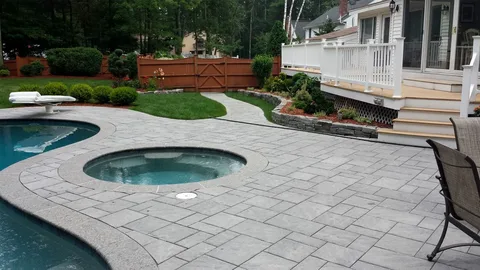
Patios are paved outdoor living spaces, often used for dining or relaxation. Services include designing and installing materials like pavers, flagstone, or composite decking. Decks, typically made from wood or composite, offer elevated platforms for seating areas.
Walkways and Pathways
These connect different parts of your property, guiding foot traffic. Materials range from gravel for a natural look to brick or concrete for formality. Curved pathways can add whimsy, while straight ones provide structure.
Retaining Walls and Terraces
Essential for sloped yards, retaining walls prevent soil erosion and create level areas. Built from stone, concrete blocks, or timber, they can be stacked to form terraces for multi-level gardens.
Driveways and Parking Areas
Hardscaping services here focus on durable surfaces like asphalt, concrete, or interlocking pavers that withstand vehicle weight. Permeable options help with drainage.
Outdoor Structures
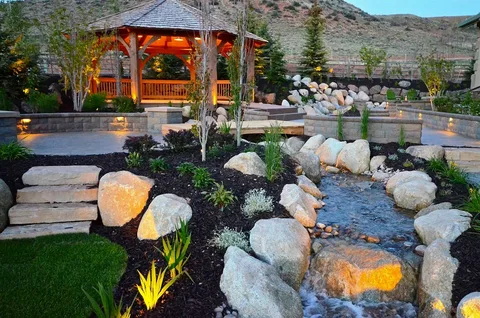
This includes pergolas, arbors, fire pits, and water features like fountains or ponds. Services might involve integrating lighting or seating.
Materials Used
- Natural Stone: Granite, limestone, or slate for a timeless, elegant feel.
- Brick and Pavers: Versatile and customizable, available in various colors and patterns.
- Concrete: Affordable and moldable; can be stamped or colored for design effects.
- Wood and Composites: For decks, offering a warm, natural aesthetic with weather resistance.
- Eco-Friendly Options: Recycled materials or permeable surfaces that support green initiatives.
Professionals often recommend materials based on climate—e.g., freeze-thaw resistant stone in cold regions.

The Hardscaping Process: From Design to Installation
Engaging hardscaping services typically follows a structured process to ensure satisfaction:
- Consultation and Assessment: Start with a site visit where experts evaluate your property’s layout, soil type, drainage, and local regulations. Discuss your vision, budget, and timeline.
- Design Phase: Using software like CAD, designers create plans, including 3D renderings. This stage considers aesthetics, functionality, and sustainability. Expect to review options for materials and layouts.
- Permits and Preparation: Obtain necessary permits (e.g., for retaining walls). Site preparation involves excavation, grading, and installing utilities like drainage systems.
- Installation: Skilled crews lay foundations, install materials, and add finishing touches. This can take days to weeks, depending on project size.
- Finishing and Inspection: Final checks ensure everything is level, secure, and functional. Professionals might include warranties for their work.
Costs vary: A basic patio might start at $5,000, while complex projects like full backyard overhauls can exceed $50,000. Factors include material choice, labor, and site complexity.
Tips for Choosing and Maintaining Hardscaping Services
Selecting the right provider is crucial. Look for licensed, insured contractors with portfolios of similar projects. Check reviews on sites like Houzz or Angie’s List, and ask for references. Ensure they use quality materials and offer warranties.
To maintain your hardscape:
- Regular Cleaning: Sweep debris and hose down surfaces.
- Sealing: Apply sealants every 1-3 years to protect against stains and weathering.
- Repairs: Address cracks promptly to prevent water damage.
- Seasonal Care: In winter, clear snow without harsh chemicals; in summer, ensure drainage prevents pooling.
For eco-conscious homeowners, opt for services that incorporate native materials or rainwater harvesting systems.
Conclusion: Elevate Your Outdoor Living with Hardscaping
Hardscaping services are more than just construction—they’re an investment in your property’s future, blending beauty, utility, and sustainability. By understanding the types, benefits, and processes outlined here, you can confidently embark on a project that enhances your outdoor space. Whether it’s a simple walkway or a grand patio, professional hardscaping turns ordinary yards into extraordinary havens. Consult experts today to start planning, and watch as your vision comes to life, adding value and enjoyment for years to come.