Landscaping can elevate your home’s curb appeal, create outdoor living spaces, and even boost property value. However, many assume it’s an expensive endeavor reserved for the wealthy. The truth is, affordable landscaping is entirely achievable with smart planning, DIY skills, and resourcefulness. This article explores practical strategies to design and implement a beautiful landscape on a budget, covering everything from planning to maintenance. By the end, you’ll have the tools to turn your yard into a stunning oasis without overspending.
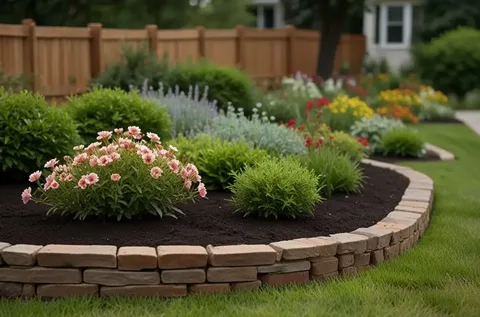
Understanding Affordable Landscaping
Affordable landscaping focuses on maximizing value while minimizing costs. It emphasizes low-cost materials, native plants, and DIY techniques over high-end features like custom fountains or exotic imports. The goal is sustainability and functionality, ensuring your landscape thrives with minimal upkeep.
Why pursue it? Beyond savings, affordable landscaping promotes environmental benefits. Using native plants reduces water needs and supports local wildlife. It also fosters creativity, allowing homeowners to personalize their spaces uniquely.
Key principles include:
- Prioritization: Focus on high-impact areas like entryways or patios.
- Reuse and Recycle: Incorporate existing elements or salvaged materials.
- Seasonal Timing: Plant in off-seasons for discounts.
- Scalability: Start small and expand gradually.
With these in mind, even a modest budget can yield impressive results.
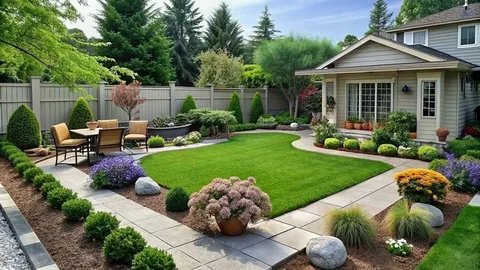
Planning Your Budget-Friendly Landscape
Effective planning is the foundation of affordable landscaping. Begin by assessing your yard: measure the space, note sunlight exposure, soil type, and existing features. Sketch a simple design or use free online tools like Google SketchUp.
Set a realistic budget. Allocate funds: 30% for plants, 30% for hardscaping (paths, fences), 20% for tools, and 20% for contingencies. Aim for $5,000–$10,000 for a basic makeover, depending on your location and yard size.
Identify priorities. Do you want a vegetable garden, a relaxing seating area, or low-maintenance greenery? Research local resources: community gardens, plant swaps, or municipal programs offering free mulch or seedlings.
Consider zoning laws and HOA rules to avoid fines. Consult free resources like extension services from universities for soil testing and plant recommendations.
Choosing Cost-Effective Materials and Plants
Materials and plants form the bulk of landscaping costs, but smart choices keep expenses down.
Plants
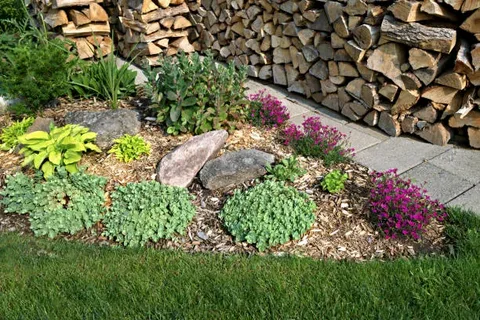
Opt for native or hardy perennials that require less water and maintenance. Examples include:
- Ground Covers: Creeping thyme or clover for erosion control and weed suppression—costs 3 per square foot.
- Shrubs: Forsythia or lilac, available at nurseries for 20 each.
- Trees: Fast-growing varieties like birch or dogwood, priced at 50.
Buy in bulk from wholesale nurseries or attend plant sales. Propagate plants by division or cuttings to save money. Avoid annuals that need replanting yearly.
Materials
- Mulch and Soil: Use free or cheap compost from local farms. Pine bark mulch costs 4 per bag.
- Hardscaping: Gravel paths (2 per square foot) instead of pavers. Repurpose bricks from old structures.
- Fencing: Chicken wire or bamboo for privacy, under $1 per foot.
- Lighting: Solar-powered stakes for ambiance, around $5 each.
Shop at discount stores, salvage yards, or online marketplaces like Craigslist for deals on used items.
DIY Techniques and Tools
DIY is key to affordability. With basic tools—shovel, rake, gloves, and wheelbarrow (total cost: $50–$100)—you can handle most projects.
Step-by-Step Implementation
- Site Preparation: Clear debris and amend soil with compost. Test pH levels (free kits available).
- Layout: Mark areas with string and stakes. Dig trenches for borders.
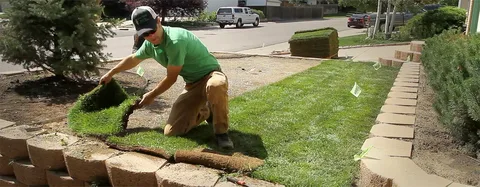
- Planting: Space plants according to labels. Water deeply after planting.
- Hardscaping: Lay gravel paths or build raised beds from recycled lumber.
- Finishing Touches: Add mulch to retain moisture and suppress weeds.
For complex tasks like irrigation, hire a professional only if needed—simple drip systems cost $100–$200 and can be installed DIY.
Learn via free tutorials on YouTube or library books. Join local gardening groups for advice and shared tools.
Maintenance Tips for Long-Term Savings
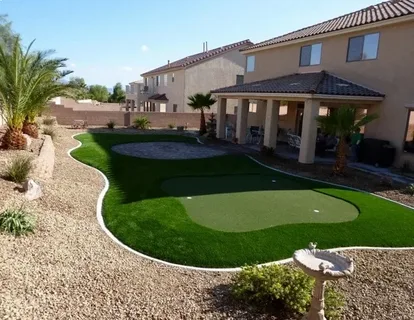
Maintenance ensures your landscape remains affordable. Water efficiently with rain barrels (DIY for $20) and mulch to reduce evaporation. Fertilize sparingly with homemade compost tea.
Pest control: Use natural methods like neem oil ($10 per bottle) instead of chemicals. Prune regularly to promote healthy growth.
Seasonal care: Fall cleanup and spring planting keep costs low. Monitor for issues early to avoid expensive fixes.
By maintaining proactively, you’ll extend your investment’s lifespan and enjoy ongoing savings.
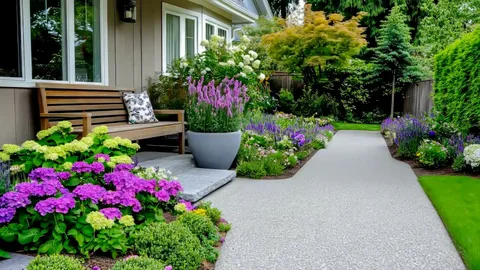
Real-Life Examples and Inspiration
Consider these budget transformations:
- Suburban Backyard: A family converted a weed-filled lot into a garden with $2,000. They used free pallets for raised beds, planted heirloom veggies, and added a gravel patio. Result: A productive space that paid for itself in produce.
- Urban Patio: In a city apartment, someone created a container garden with $300. Succulents and herbs in thrift-store pots, plus solar lights, turned a balcony into a retreat.
- Rural Property: Owners planted native wildflowers ($100) and built a stone wall from on-site rocks. The low-maintenance design attracted pollinators and reduced mowing needs.
These stories show that creativity trumps expense. Draw inspiration from Pinterest or local parks.
Overcoming Challenges
Common hurdles include poor soil or weather. Amend soil with organic matter and choose drought-tolerant plants. If time is an issue, start with container gardening or hire part-time help.
Track expenses with apps like Mint to stay on budget. If costs rise, scale back—landscaping is iterative.
Conclusion: Embrace the Possibility
Affordable landscaping proves that beauty and functionality don’t require a fortune. By planning thoughtfully, selecting economical options, and embracing DIY, you can create a yard that enhances your life and home value. Start small, learn as you go, and watch your space flourish. Remember, the most valuable landscapes are those that reflect your personality and care. With these strategies, your dream outdoor haven is within reach—happy landscaping!